Get Tennis Court Restoration in Denver, CO
Tennis court restoration services offered by local contractors in Denver, CO, repair cracks, resurface surfaces, and improve durability for safe, playable courts.
Property owners in Denver, CO, exploring tennis court restoration often seek to enhance the durability, safety, and appearance of their outdoor spaces. Restoring a tennis court can improve playability and extend its lifespan, making it a practical investment for those looking to maintain or upgrade their recreational areas. Whether preparing a court for seasonal use or addressing wear and tear from years of use, connecting with experienced local contractors can help ensure the project is completed efficiently and to the desired standards.
When considering tennis court restoration, it’s helpful to compare options available within the Denver area. Local service providers understand the specific conditions and requirements of outdoor courts in this region, enabling them to recommend solutions tailored to the climate and terrain. By exploring different contractors, property owners can find the right expertise to support their project, ensuring the restoration work meets their needs and enhances the property's overall value.
- Cracked or damaged tennis courts - when weather or heavy use has caused surface deterioration requiring professional restoration.
- Faded or worn court surfaces - when the playing surface has lost its vibrancy and needs resurfacing to restore optimal gameplay.
- Uneven or unevenly settled courts - when ground shifting or poor initial construction has resulted in an unsafe playing environment.
- Surface contamination or staining - when dirt, algae, or other debris have accumulated, impacting court appearance and safety.
- Post-accident repairs or safety upgrades - after incidents or to meet safety standards, restoring the court to a secure condition.
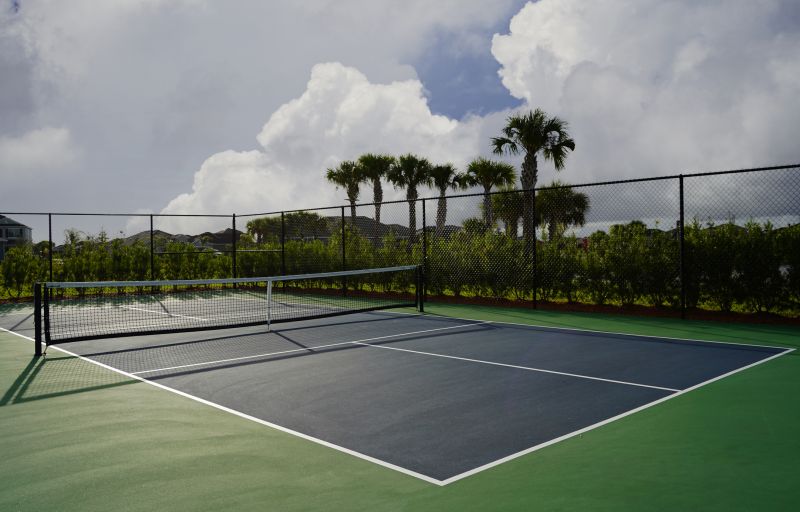
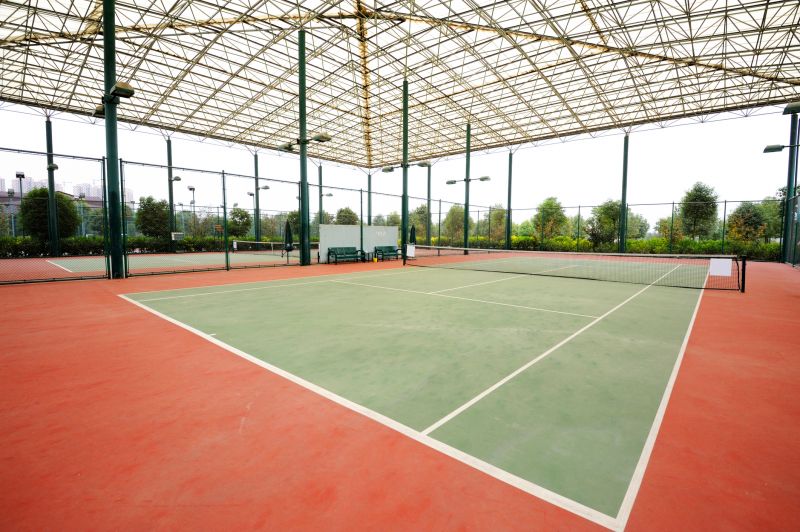
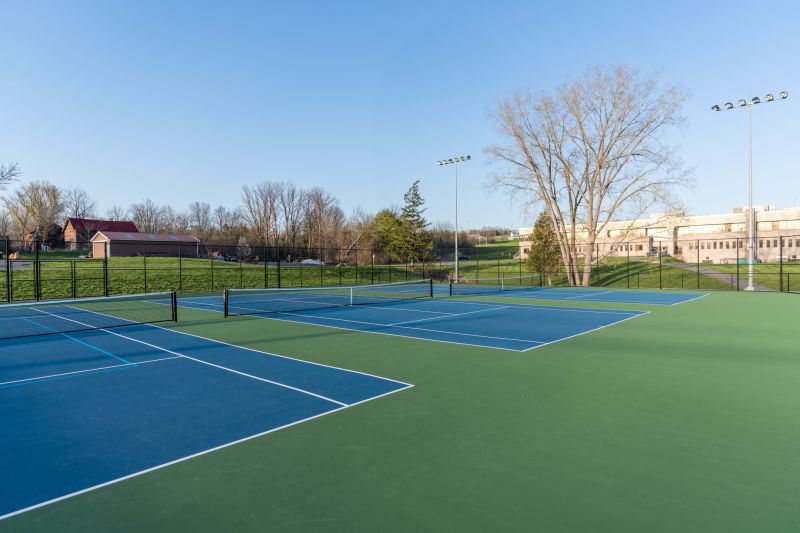
Tennis court restoration services involve the process of repairing and revitalizing existing tennis courts to restore their appearance, safety, and playability. Over time, courts can develop surface wear, cracks, and uneven areas due to weather exposure, frequent use, or aging materials. Restoration typically includes cleaning the surface, repairing cracks and damaged areas, and applying fresh layers of surfacing material to ensure the court remains level and safe for play. This service helps maintain the court’s condition, extending its lifespan and providing a smooth, consistent surface for players of all skill levels.
Many common problems that tennis court restoration addresses include surface deterioration such as peeling paint, fading lines, and surface cracks that can pose safety hazards or interfere with gameplay. Additionally, courts may develop drainage issues or uneven surfaces that cause water pooling or uneven bounces. Restoration services can correct these issues, helping to prevent further damage and reducing the risk of injuries. Property owners often turn to these services when their courts no longer look appealing or when surface issues begin to interfere with proper play.
Tennis court restoration is often utilized by homeowners with private courts, country clubs, sports facilities, or community parks that feature outdoor tennis courts. These properties typically seek to maintain a high-quality playing surface for recreational or competitive purposes. Whether a court is used regularly for family games or for hosting tournaments, keeping the surface in top condition is essential for safety and performance. Restoring a court can also improve the overall aesthetic of the property, making it more inviting for residents, guests, or club members.
Homeowners and property managers might consider tennis court restoration services when their courts show signs of aging or damage. Common indicators include cracked or uneven surfaces, faded or chipped paint lines, and standing water after rain. Restoring these courts not only enhances the visual appeal but also ensures a safe and consistent playing experience. Local contractors experienced in tennis court restoration can assess the specific needs of each property and recommend appropriate repairs, helping to preserve the value and usability of the outdoor sports area.
The overview below groups typical Tennis Court Restoration projects into broad ranges so you can see how smaller, mid-sized, and larger jobs often compare in Denver, CO.
In many markets, a large share of routine jobs stays in the lower and middle ranges, while only a smaller percentage of projects moves into the highest bands when the work is more complex or site conditions are harder than average.
Smaller Repairs - Typical costs for minor tennis court repairs, such as crack filling or surface patching, generally range from $250-$600. Many routine maintenance jobs fall within this middle range, depending on the extent of the damage.
Resurfacing Projects - Resurfacing a tennis court usually costs between $2,500 and $5,000. Larger, more complex resurfacing jobs can reach $6,000 or more, especially for courts with extensive wear or damage.
Full Court Replacement - Complete replacement of a tennis court, including new surface installation, often falls between $15,000 and $30,000. Projects at the higher end tend to involve custom features or larger, more intricate courts.
Custom or Complex Restorations - For specialized restorations, such as adding lighting or custom surface finishes, costs can exceed $50,000. These projects are less common and typically involve significant upgrades or enhancements.
Actual totals will depend on details like access to the work area, the scope of the project, and the materials selected, so use these as general starting points rather than exact figures.
Basketball Court Resurfacing - this project involves surface preparation and coating techniques similar to tennis court restoration, requiring expertise in resurfacing materials and precise planning.
Playground Surface Repair - restoring safety and durability to playground surfaces involves similar skills in surface assessment, crack repair, and applying protective coatings as in tennis court restoration.
Sports Court Maintenance - maintaining multi-sport courts involves surface cleaning, crack sealing, and resurfacing, aligning closely with the processes used in tennis court refurbishment.
Concrete Patio Restoration - repairing and resurfacing concrete patios requires skills in surface preparation and finishing that are applicable to tennis court surface renewal projects.
Driveway Resurfacing - this project involves surface assessment and applying new coatings, which are comparable to the techniques used in tennis court surface restoration.
Badminton Court Renovation - upgrading indoor or outdoor badminton courts involves similar planning and surface treatment skills as tennis court restoration, focusing on surface quality and safety.
When evaluating contractors for tennis court restoration, it’s important to consider their experience with similar projects in the Denver area. An experienced service provider will have a history of working on courts with conditions and requirements comparable to your own, which can help ensure a smoother process and a result that meets expectations. Asking for examples of past work or references from previous clients can provide insight into their familiarity with tennis court restoration and their ability to handle the specific challenges that might arise.
Clear, written expectations are vital when choosing a local contractor. A reputable service provider should be able to communicate the scope of work, materials used, and the process involved in the restoration project. This clarity helps prevent misunderstandings and ensures that everyone is aligned on the desired outcome. It’s beneficial to request a detailed proposal or written outline of services to review before making a decision, so that the project’s goals are well understood from the start.
Good communication and reputable references are essential qualities to look for in a tennis court restoration contractor. A dependable service provider will be responsive to questions and transparent about their processes, making it easier to stay informed throughout the project. Additionally, seeking references from past clients can offer valuable perspectives on the contractor’s professionalism, reliability, and quality of work. Connecting with local contractors who demonstrate these qualities can help find a professional capable of delivering a successful tennis court restoration that aligns with your needs.
Property owners in Denver, CO use Tennis Court Restoration services for practical projects around their homes and businesses. This guide focuses on everyday jobs and straightforward project options.
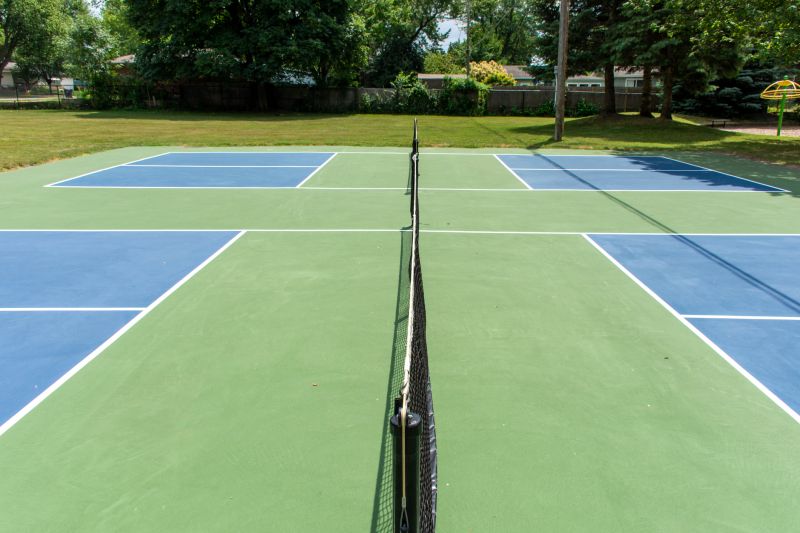
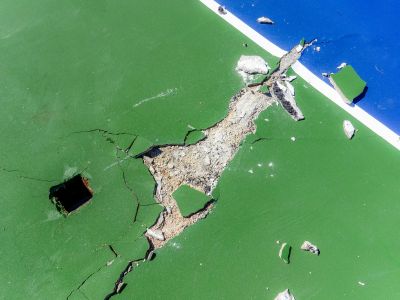
Property owners in Denver, CO often seek tennis court restoration services when their courts show signs of wear and tear from frequent use or harsh weather conditions. Cracks, uneven surfaces, and faded lines can affect gameplay and safety, prompting residents and clubs to look for experienced local contractors to bring their courts back to optimal condition. Restoring a tennis court not only improves its appearance but also enhances its functionality, making it more enjoyable for players of all ages and skill levels.
Many Denver property owners also consider tennis court restoration after experiencing damage from seasonal freeze-thaw cycles or heavy snowfall. Over time, these weather challenges can cause surface deterioration, requiring expert repairs to prevent further issues. Local service providers can assess the condition of the court and recommend suitable restoration options to extend its lifespan, ensuring it remains a reliable and attractive feature on the property.
What types of tennis court restoration services are available? Local contractors offer a range of services including surface resurfacing, crack repair, line repainting, and overall court cleaning to restore tennis courts to optimal condition.
How can I tell if my tennis court needs restoration? Signs such as surface cracking, fading lines, uneven playing surface, or water pooling indicate that a tennis court may require professional restoration services.
What materials are used in tennis court restoration? Service providers typically use durable resurfacing materials like acrylic or polyurethane coatings, along with crack fillers and line marking paints suitable for tennis courts.
Are there different restoration options for indoor and outdoor tennis courts? Yes, contractors can customize restoration approaches based on whether the court is indoor or outdoor, considering factors like weather exposure and surface type.
How often should a tennis court be restored? The frequency of restoration depends on usage and surface condition, but regular inspections can help determine when services are needed to maintain quality playability.
Surface Repair Solutions - Property owners can restore cracked or worn tennis court surfaces to improve playability and appearance. Local contractors can address issues caused by weather or regular use to extend the life of the court.
Resurfacing and Coating - Upgrading an aging court with fresh coatings can enhance traction and aesthetics, making it safer and more inviting for daily use. Local service providers can prepare and apply new layers to revitalize the court’s surface.
Line Repainting Services - Repainting court lines ensures clear boundaries for matches and practice sessions, helping maintain proper gameplay standards. Local pros can carefully restore or refresh these markings as needed.
Drainage and Waterproofing - Improving drainage systems prevents water accumulation and damage, allowing courts to stay playable after rain. Local contractors can install or upgrade drainage features to protect the surface.
If you are thinking about Tennis Court Restoration for a property in Denver, CO, this guide is meant to help you understand the work, the typical project types, and how different options might fit your plans.
When you are ready, you can use the quote form on this page to share a few details about your project. From there, local pros can review the basics and respond with options that match what you have in mind.